Moving With the Mountains: Journeys Through Alpine Seasons

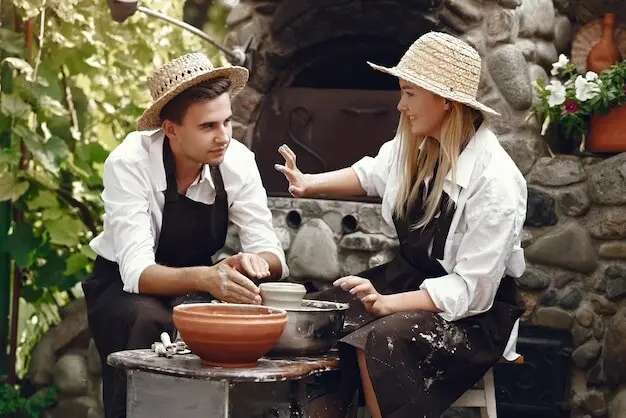
Settle into the rhythm of peaks and valleys as we wander at a human pace, greeting makers at bustling village squares and walking beside decorated herds returning from summer meadows. This edition embraces Following the Alpine Seasons: Slow Travel to Craft Fairs and Transhumance Routes, inviting you to savor regional traditions, ride mountain railways, learn from artisans, and feel each turning of the year. Share your questions, route ideas, or favorite fairs with our community, and subscribe to keep these living stories arriving gently in your inbox as the seasons shift.

From Snowmelt to Wildflowers: Reading the High Country Calendar
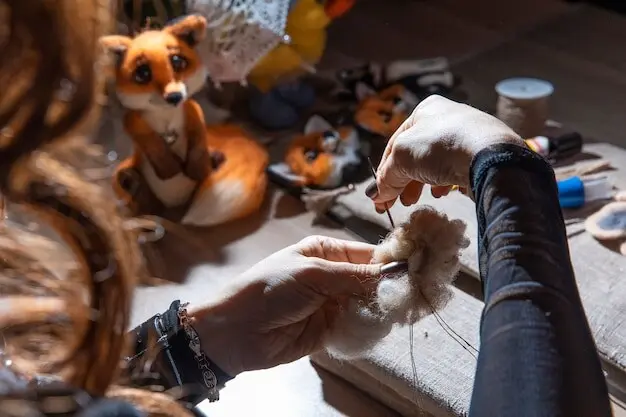
Learning to travel with the mountains means noticing small signals—the first crocuses piercing thawed soil, marmots whistling near boulder fields, cowbells echoing faintly across still-white cols. By aligning journeys with these cues, each step gains purpose. Spring favors quiet valley paths and woodshops reopening their shutters; summer opens balcony pastures, long light, and open-air fairs; autumn brings jubilant descents, smoke-sweet air, and festivals stitched with music. Plan flexibly, pause often, and let weather shape your days rather than rushing time.

Getting Around Gently

Slow travel through the Alps rewards planners who love timetables and serendipity equally. Regional rail passes, postbuses curling across hairpins, and cable cars lifting to meadows create a seamless web that favors patience over haste. Add e-bikes for valley floors, ferries across glacial lakes, and sturdy boots for final approaches to fairs or pastures. Keep margins wide for weather shifts, trail chats, and irresistible invitations to taste, watch, and linger.
Mountain railways glide through tunnels into sunlight; bright yellow postbuses announce hairpins with their three-tone horns; cableways rise like quiet elevators into blue. Stitch them together to reach craft squares without driving stress, arriving rested and ready to listen. Staff know festivals’ pulse—ask for earlier buses on parade days or late returns after dusk music. Traveling lightly means trusting well-kept schedules while allowing generosity to redirect you.
Choose layers that breathe uphill and welcome cool church interiors where fairs spill into cloisters. A compact daypack holds rain shell, scarf, notebook, reusable cup, pocketknife, and spare tote for delicate purchases. Good soles save knees on long descents, while a tiny repair kit rescues straps and soles. Leave space for cheese and wooden spoons, cushioning treasures with a wool sweater. Lighter bags grant freedom to follow bells or conversation.
Begin with a short rail hop, a market wander, and a meadow walk rather than stacking sights. Insert buffer afternoons for pop-up weaving demos or a storm’s drama. Bookmark alternates—museum woodcarving rooms, dairy cellars, or covered arcades—so rain becomes a gift. End days early enough to journal encounters and label artisan cards. Share your pacing tricks with fellow readers, and ask for theirs; collectively, we keep journeys kind.

Meeting Artisans at Living Fairs

Arrive early, walk slowly, and greet with eye contact before touching work. Ask about tools, wood species, or pastures shaping yarn hues. Accept stories as gifts, even if you buy nothing today. Photograph only with permission, sharing later links or tagged posts that credit hands and villages. Makers remember listeners long after coins change pockets, and these respectful rituals turn markets into friendships gently renewed each season.

Buying With Care, Shipping With Sense

Choose pieces that fit your days, not your suitcase’s corners. A butter mold, horn button set, or small bell travels easily; a carved madonna may need careful wrapping, insurance, or direct shipping from the workshop. Record names, origins, and care instructions in your notebook. Consider seasonality: some cheeses prefer cool evenings. When possible, pay in ways that minimize fees. Each mindful purchase sustains winter workshops and summer pastures alike.

Stories Behind Wood, Wool, and Cheese

A larch bowl may hold rings from storms you never felt; a felted hat might echo dyes from bilberries picked at dawn; a tomme remembers specific grasses, salt, and patient hands. Ask which meadow shaped the flavor, which ridge provided timber, which grandmother tied the finishing knot. These details anchor memory more firmly than souvenirs alone, letting you retell journeys with accuracy, gratitude, and a smile that reaches your ears.

Hands That Shape the Mountains’ Memory
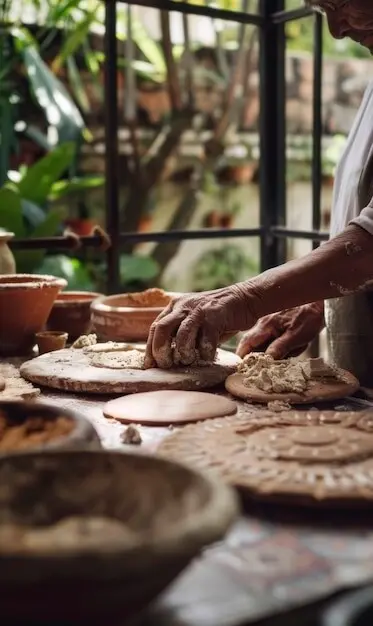
Across stone alleys and grassy commons, makers transform wool, wood, horn, and milk into useful beauty. In Aosta each January, the Foire de Saint-Ours floods cold streets with warmth from chisels, pipes, and laughter. Val Gardena carvers coax saints and skiers from linden; Swiss bell founders pour bronze that will ring over ridges. Approach tables with curiosity and time, honoring prices that reflect winters of practice and summers of care.

Timing the Great Moves

Snowlines, pasture growth, and early frosts guide decisions more than fixed dates. Local tourist offices publish windows, yet herders watch clouds, rivers, and hoofprints. Arrive with patience and a thermos. If fog delays a parade, consider visiting the dairy for stirring or the smithy for riveting. Ask whether volunteers are needed to guide spectators or carry barriers. Being helpful earns smiles and the best vantage points when bells begin.

Etiquette Around Animals and People

Cows see differently than we do; bright umbrellas, flying drones, or sudden shouts can startle. Fold gear, pocket poles, and step wide around calves. Photograph from the outside, never forcing a gap. If invited to sip fresh milk or taste butter on black bread, accept with both hands and thanks. Compliment wreath makers and bell polishers. These are family days, not performances; gentleness keeps celebrations safe and proud.

Stitching Routes Into a Journey

Link village squares, chapels, and meadow benches into a necklace of easy stages, letting festivals become beads you discover rather than checkpoints. Sleep near trailheads, ride early buses, and end at inns where porch talk continues after dusk. Share your stitched route with us—what worked, where you paused, which bell pattern you still hear at night—so future readers can add their thread and strengthen the tapestry.
Taste the Ridge and Valley
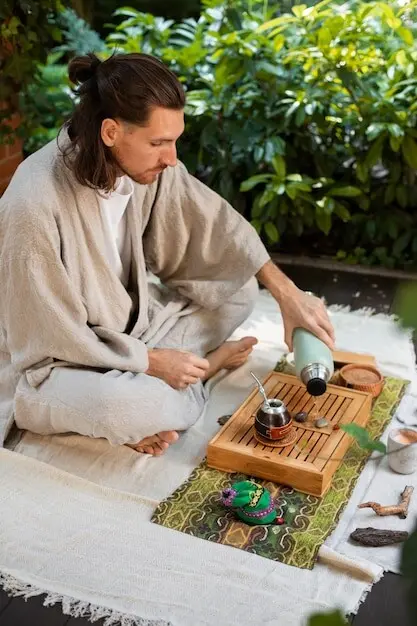
Flavors shift with altitude and month. Spring offers nettle soup and fresh goat cheeses; summer plates bloom with alpine salads, soft-rind wheels, and berry tarts; autumn leans hearty with polenta, speck, wild mushrooms, and cellar-aged rounds. Markets become edible maps—follow them to dairies, smoky huts, and kitchens where butter yellow deepens like evening light. Eat slowly, carry crumbs for songbirds, and trade recipes like postcards from kind hands.

Leave the Peaks Better Than You Found Them

Traveling gently means more than footprints. Choose trains over cars, refill bottles at village fountains, and support family-run lodgings that keep winters alive. Tip fairly, ask before photographing people, and respect closures protecting regeneration. Consider volunteering for a morning—trail clearing, festival setup, or bell wreath crafting. Share your experiences in the comments, invite questions, and subscribe; with each exchange, our shared map becomes wiser, kinder, and more resilient.
Livorinovarokaro
Privacy Overview

This website uses cookies so that we can provide you with the best user experience possible. Cookie information is stored in your browser and performs functions such as recognising you when you return to our website and helping our team to understand which sections of the website you find most interesting and useful.