Handmade Heights: Learning Beside the Peaks

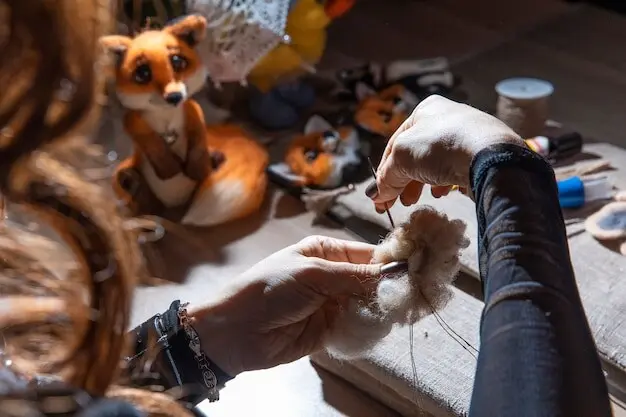
Today we’re journeying into immersive workshops with mountain craftspeople along slow travel routes, learning side by side with weavers, smiths, and herbal dyers while walking gentle paths between villages. Expect patient instruction, unhurried days, respectful exchange, and stories shaped by altitude, weather, and generations of steady hands.

Reading the Landscape Before You Go

Study contour lines, water sources, and historical transhumance routes to understand why crafts settled where they did. A map can reveal a tannery’s need for running water, a smithy’s proximity to ore, or a willow coppice perfect for baskets, shaping your expectations and daily distances with practical, respectful foresight.

Timing Your Journey with Weather and Work Cycles

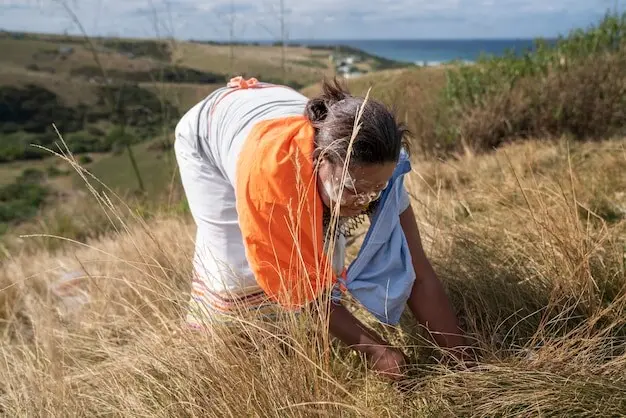
Artisan calendars often follow the mountain more than the market. Shearing, dye harvesting, charcoal burning, and cheese aging each hold their weeks. Check regional festivals and farming schedules, then plan generous margins. Arrive unrushed, ready to wait, lend a hand, or pivot kindly if snow, wind, or family needs reorder the day.

Finding Trustworthy Local Connectors

Local hiking guides, librarians, teachers, and market stallholders often know who teaches with heart and who prefers privacy. Approach through introductions, offer specifics about your skills and time, and ask how you can contribute. Written agreements, clear boundaries, and small deposits build trust while leaving space for weather and wonder.

Hands in the Craft: Skills You Can Carry Home
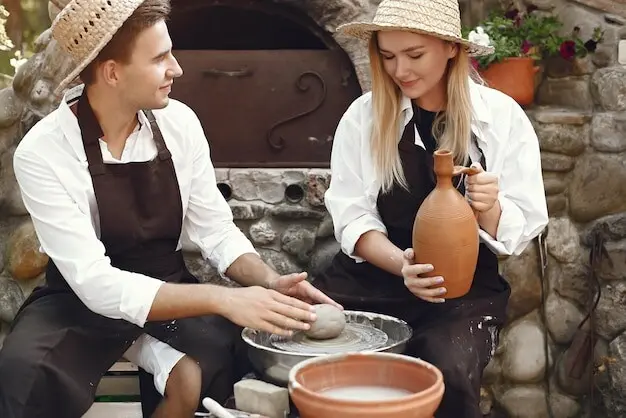
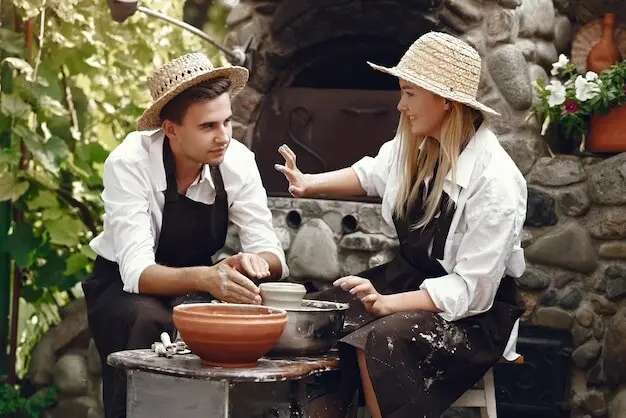
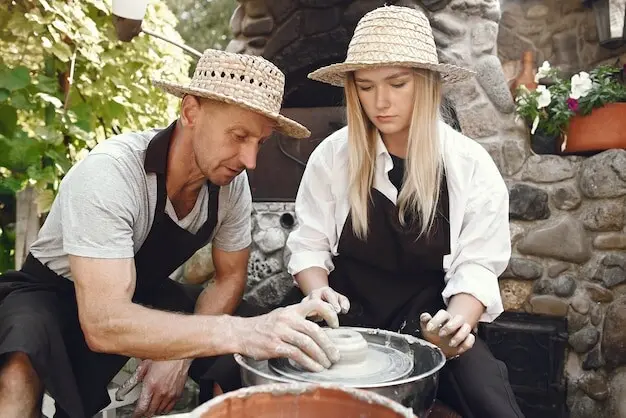
Nothing lodges knowledge deeper than fingers stained with walnut dye and shoulders remembering the rhythm of a treadle. Expect guidance that privileges touch, repetition, and story, letting mistakes become tools. You might plane a spoon’s curve, twist cordage from nettle, or roll felt under warm, soapy palms, packing away humility, muscle memory, and friendships that outlast souvenirs.

Moving Slowly, Giving Deeply

In mountain corridors, generosity grows when pace softens. Travel with days spacious enough for tea, extra stitches, and unexpected livestock crossings. Learn greetings, accept refusals, and pay fairly for instruction and materials. Consider donating tools, buying locally, and returning in another season, building relationships that nourish both village livelihoods and your evolving practice.

Respect that Starts with Listening

Before pulling out a camera or notebook, ask about boundaries, stories that are private, and techniques considered family knowledge. Listening first reveals where you may sit, what you may try, and how to help, turning the workshop into a conversation rather than a transaction shaped by hurry.

Fair Compensation and Shared Decisions

Discuss costs openly, agree on duration, breaks, and materials, and ask how your presence can support apprentices or community projects. Paying transparently, tipping thoughtfully, and buying finished work when possible acknowledges expertise, strengthens dignity, and keeps fragile upland economies resilient against the pressures of extractive, hurried, outside expectations.

Altitude-Ready: Packing Light, Learning Heavy

Carry layers that welcome swift changes, a water filter, sun protection, and shoes that grip on dew-slick rock. Add notebook, pencil, small knife if permitted, and a cloth for cradling work. Tuck respectful gifts—seeds, tea, or regional treats—and bring patience enough to shoulder delays without stealing energy from shared focus.

The Compact Kit that Earns a Nod from Any Guide

Keep weight centered and choices humble: a breathable shell, merino layers, fingerless gloves for dexterity, tape for blisters, and a headlamp with fresh batteries. Add a tiny first-aid pouch and a thermos. Leave space for shavings, wool, or willow, because learning often rewards the prepared with unexpected, beautiful burdens.

Staying Comfortable When Weather Turns Mercurial

Mountain afternoons can swing from balm to bite. Practice layering quickly, stash dry socks, and carry a light tarp for shade or drizzle. Warm hands learn better, so pack pocket warmers. Keep lunch simple, salty, and shareable, inviting conversation around bread, cheese, and stories while clouds scribble along jagged horizons.

Journaling Techniques that Capture Tactile Lessons

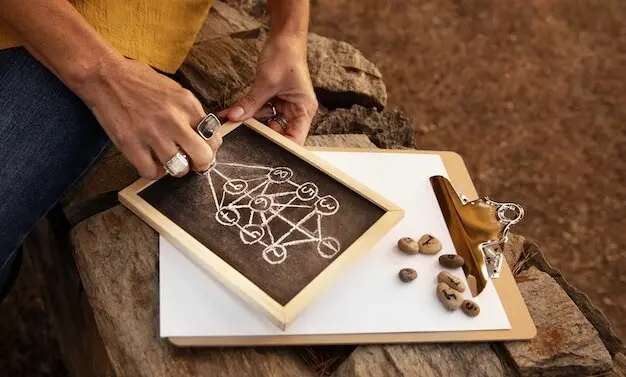
Write while your palms still buzz. Sketch tool grips, knot sequences, and grain directions; rub a smudge of dye into the margin. Record proverbs, place names, and the weather’s smell. Later, your notes return the workshop’s cadence, guiding practice when mountains feel far and schedules tighten around memory.

Stories by the Hearth: Moments that Change the Map
The Blacksmith Who Tuned a Bell to the Valley’s Echo

He struck and listened, adjusting the lip until the ring matched cliffs and pasture. Between heats, he taught safe hammer arcs and the patience of annealing. When the bell finally sang, even the dogs paused, and we learned that sound anchors wandering hearts better than any itinerary.

A Weaver Who Waited for Juniper’s Blue Hour

She dyed with berries gathered after frost, explaining how the cold deepened hue and story. While warps tightened, she poured tea and described losses, gains, and the rhythm of village bells. My shuttle began to follow breath, and cloth finally held quiet like evening snowfields.

Cheese at Dawn, Steam and Patience

Before sunrise the copper cauldron whispered, and our teacher drew curds with hands practiced like prayer. We learned to cut cleanly, test with a fingertip, and wait through silence. Breakfast tasted of meadows, smoke, and shared effort, an education swallowed gratefully beside brightening windows.

Plan Your Next Step and Stay in Touch

You’re invited to join the journey: explore routes, ask questions, and suggest mountain regions you love. Share doubts, packing lists, and craft wishes. Comment with experiences, subscribe for seasonal openings and gentle itineraries, and help map respectful connections that keep workshops alive and valleys vibrant for future travelers and makers.

How to Reach Out and Arrange Your First Workshop

Start with a simple message introducing your interests, experience, and dates, then ask preferred contact methods and availability. Propose compensation and roles clearly, offer references, and remain flexible. When confirmed, celebrate quietly, prepare thoughtfully, and arrive ready to learn, help, and leave the mountains a little kinder for your visit.

Share Your Experience So Others Can Learn Gently

Write reflections that illuminate process more than personalities, credit teachers generously, and avoid geotagging fragile sites. Include practical timings, access notes, and weather realities. Invite questions, answer with patience, and moderate discussions respectfully so curiosity flourishes, confidence grows, and more travelers choose slowness over spectacle when seeking craft in high places.

Subscribe for Routes, Guides, and Seasonal Open Doors

Stay connected for route ideas, artisan profiles, language tips, and calendars marking shearing, dye harvests, kiln firings, and market days. Occasional letters bring maps, packing checklists, and interviews. Reply anytime with feedback or requests, shaping future journeys collectively so learning remains welcoming, responsible, and deeply rooted in living landscapes.

Livorinovarokaro
Privacy Overview

This website uses cookies so that we can provide you with the best user experience possible. Cookie information is stored in your browser and performs functions such as recognising you when you return to our website and helping our team to understand which sections of the website you find most interesting and useful.